Upstate New York stretches across a vast corridor of river valleys, Adirondack foothills, and historic townships that shaped early American culture. From the salmon-run banks of the Salmon River near Pulaski to the Saratoga Springs racing circuit and the Genesee Valley farmlands around Geneseo, the region rewards travelers who look beyond Manhattan. These four historic hotels anchor you in the places where Upstate New York's character is most concentrated.
What It's Like Staying in Upstate New York
Upstate New York is not a single destination but a layered geography of post-industrial towns, resort lake villages, and agricultural corridors where history is embedded in the architecture and landscape. Car travel is essential - public transit outside Albany and Syracuse is sparse, and most attractions sit 15 to 50 miles apart. Crowds cluster sharply around Saratoga Springs in July-August during the racing season and around the Adirondacks on summer weekends, while the Finger Lakes and the Lake Ontario shoreline near Pulaski see concentrated activity during fall foliage and salmon-run season - drawing anglers from across the Northeast.
Pros:
- Genuine historical depth - Revolutionary War sites, Erie Canal towns, and 19th-century resort architecture are within easy driving distance of most properties
- Significantly lower nightly rates than New York City or the Hamptons, giving more value per stay
- Less tourist saturation outside peak windows, meaning uncrowded access to state parks, rivers, and cultural landmarks
Cons:
- A personal vehicle is non-negotiable for most itineraries - no rideshare coverage in rural corridors
- Dining options close early in smaller towns, often by 9 PM
- Weather volatility is high; winters can close or limit access to outdoor attractions entirely
Why Choose Historic Hotels in Upstate New York
Historic hotels and motels in Upstate New York often occupy properties built during the region's 19th and early 20th-century resort boom, positioned alongside salmon rivers, mountain passes, and old coaching roads. Unlike generic chain hotels, these properties tend to retain wood-paneled rooms, original site features, and access to working landscapes - fishing docks, farmland views, mountain panoramas - that modern builds rarely replicate. Nightly rates at historic properties here frequently run around 40% lower than comparable character stays in New England or the Hudson Valley, making them compelling for value-driven travelers who still want regional authenticity.
Room sizes at older Upstate properties vary considerably - standard rooms in converted roadside motor courts average around 280 square feet, while motel-format rooms may lack soundproofing between units. The trade-off is direct outdoor access, on-site parking, and proximity to natural landmarks that boutique urban hotels cannot offer.
Pros:
- Direct access to Upstate's defining landscapes - salmon rivers, mountain corridors, and Finger Lakes scenery - from the property itself
- On-site free parking standard across the category, eliminating a cost that adds up quickly in larger towns
- Proximity to working historic sites: lighthouses, performing arts centers, and state heritage corridors
Cons:
- Older construction means variable insulation and noise management - worth checking room reviews specifically
- Limited in-property dining at smaller historic motels; meal planning around local restaurants is necessary
- Peak-season availability tightens fast, especially around Saratoga race meets and fall foliage weekends
Practical Booking & Area Strategy for Upstate New York
Positioning your base strategically matters in a region this large. Pulaski on the Lake Ontario shoreline is the anchor for salmon fishing on the Salmon River and sits close to the Salmon River Lighthouse, but it's isolated - plan on driving for most dining and sightseeing beyond the riverbank. The Saratoga Springs-Lake George corridor is the most versatile base: Lake George is 26 km from the midpoint, Saratoga Performing Arts Centre is under 30 minutes by car, and Six Flags Great Escape adds a family draw. Geneseo, in the Genesee Valley, positions you centrally for Rochester's museums - the National Museum of Play and Blue Cross Arena are both around 47 km away - and for exploring Letchworth State Park, often called the "Grand Canyon of the East," which sits just south of town.
Book at least 6 weeks ahead for Saratoga-area stays between late July and late August, when the Saratoga Race Course drives regional demand to its annual peak. Fall foliage windows in late September through mid-October create a secondary crunch in the Adirondack and Finger Lakes zones. For Pulaski, the salmon run from September through November is the primary booking driver - last-minute availability disappears fast among anglers. Outside these windows, spontaneous bookings are generally viable and prices soften noticeably.
Best Value Stays
These properties offer direct access to Upstate New York's most distinctive natural and historic corridors at rates that suit practical, experience-focused travelers.
-
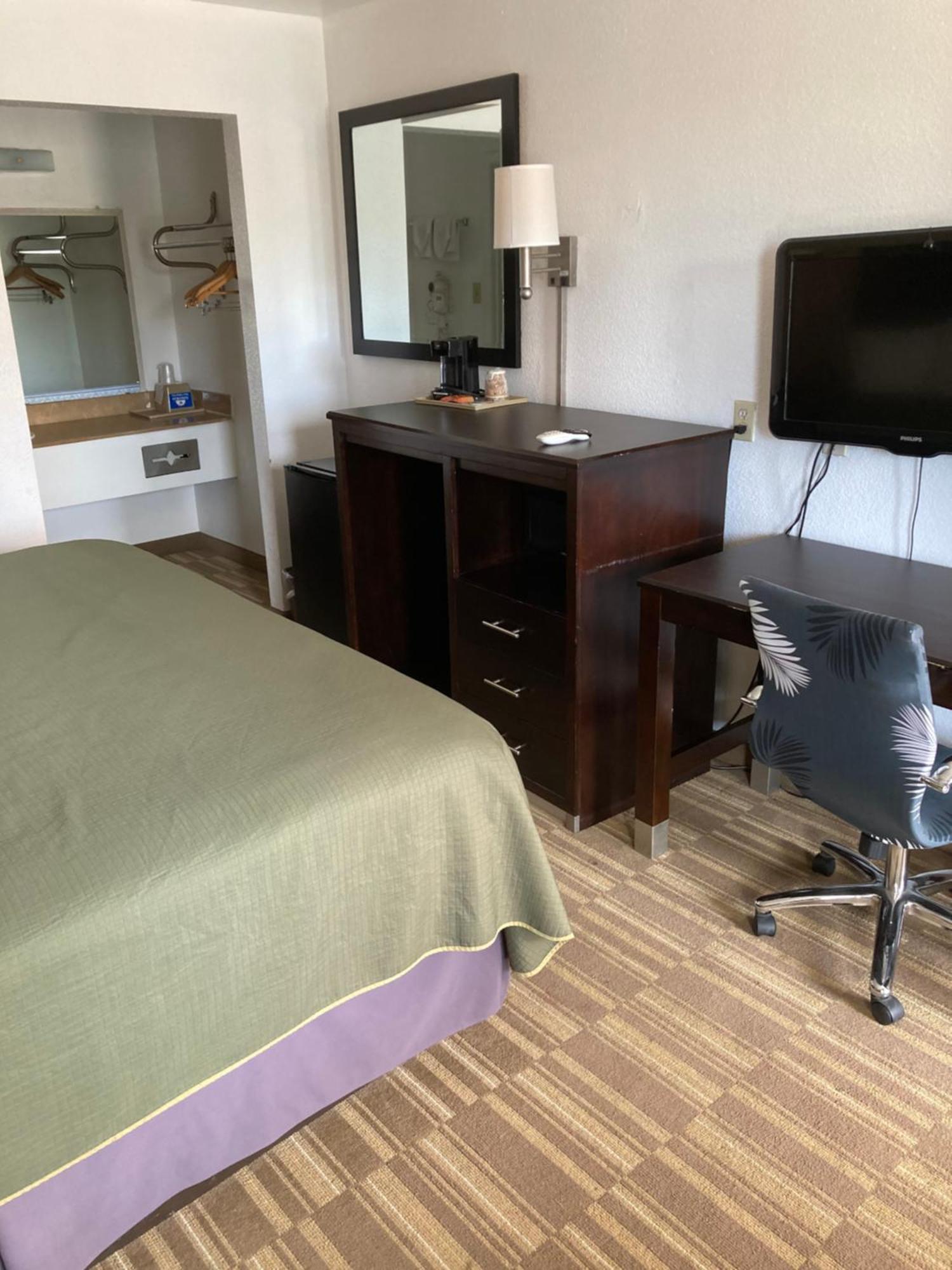
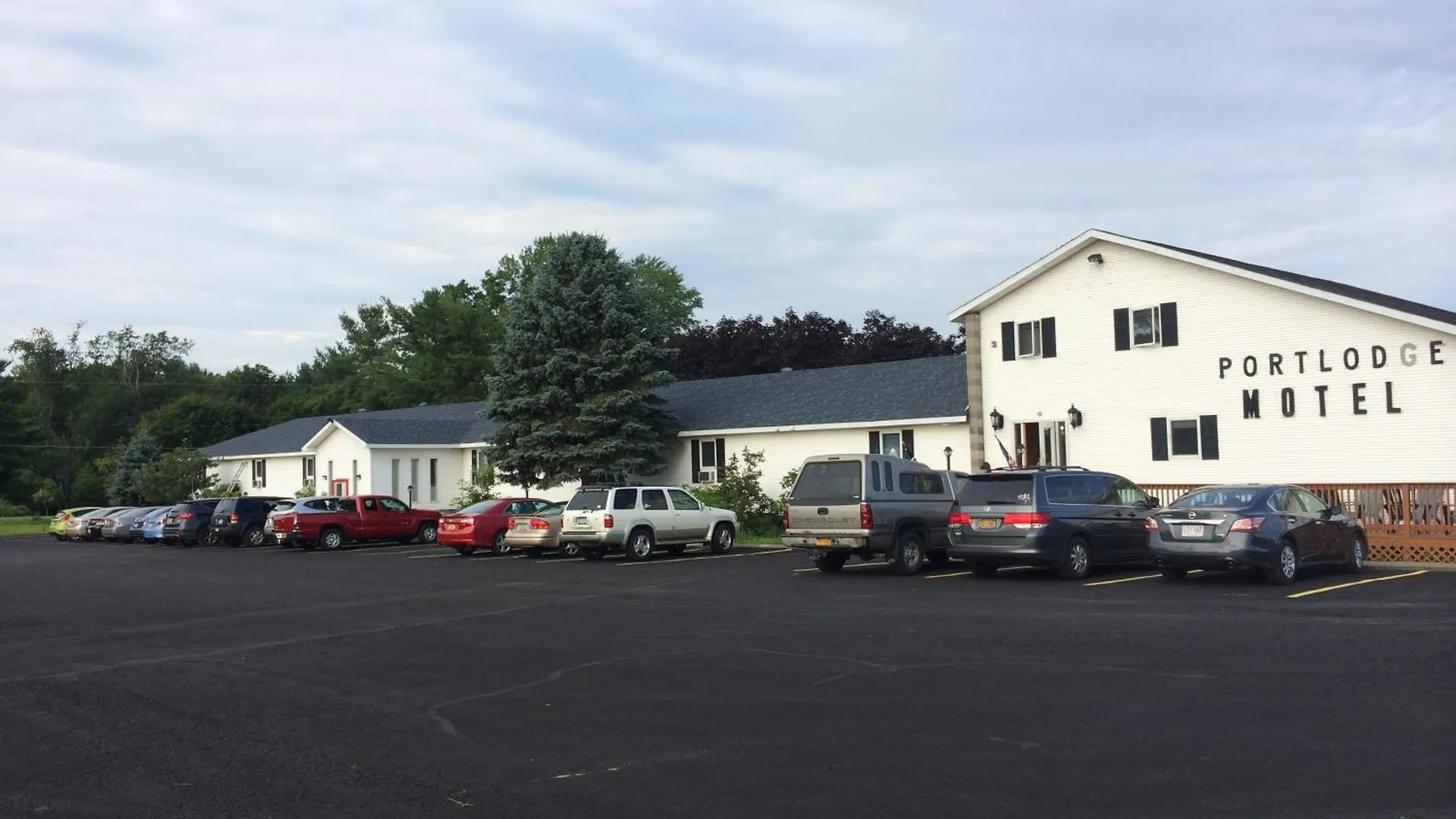
1. Port Lodge Motel
Show on map


 Check-infrom 15:00 until 23:59Check-outuntil 10:00
Just a few rooms left at the best rate!
fromUS$ 100
-
2. Red Carpet Inn Pulaski
Show on map


 Check-infrom 15:00 until 23:59Check-outuntil 11:00
Just a few rooms left at the best rate!
fromUS$ 117
-
3. Sara Glen Motel - Saratoga Springs-Glens Falls
Show on map


 Check-infrom 15:00 until 23:59Check-outuntil 11:00
Hurry – almost gone at this price!
fromUS$ 99
Best Premium Option
For travelers who want additional on-site amenities and proximity to Upstate New York's cultural and natural landmarks, this property delivers a fuller facility set within the region's historic character.
-
4. Quality Inn Geneseo
Show on map


 Check-infrom 15:00 until 23:59Check-outuntil 12:00
Rooms filling fast – secure the best rate!
fromUS$ 132
Smart Travel & Timing Advice for Upstate New York
Upstate New York has three distinct peak windows that directly affect pricing and availability. The Saratoga Springs racing season runs from late July through late August - the single most competitive booking period in the region - when rates around Saratoga and Lake George spike sharply and properties sell out weeks in advance. Fall foliage, peaking between late September and mid-October depending on elevation, creates a secondary surge across the Adirondacks, Finger Lakes, and Genesee Valley. The salmon run on the Salmon River near Pulaski drives a third, more localized demand spike from September through November.
For the best balance of weather, access, and value, late May through mid-June and the first half of October are the most strategic windows. Booking around 6 weeks ahead is sufficient outside the racing season, but Saratoga-area properties in July and August warrant earlier action. A minimum of 3 nights is practical for any base - the distances between Upstate's major sites make day-trip logistics work better with a settled anchor. Winter travel is viable primarily for skiers targeting Gore Mountain or Whiteface, but many smaller historic properties reduce hours or close entirely between December and March.