
Tennessee stretches from the Appalachian Mountains in the east to the Mississippi River flatlands in the west, making it one of the most geographically diverse states in the American South. Lodge hotels here serve as practical highway-accessible bases for road trippers, outdoor enthusiasts, and visitors targeting specific attractions like the Great Smoky Mountains, Jack Daniel's Distillery, or Reelfoot Lake State Park. This guide breaks down 5 lodge hotels across Tennessee, covering location logic, booking timing, and what each property actually delivers.
What It's Like Staying in Tennessee
Tennessee is a drive-through and drive-to state - most visitors arrive by car via I-40, I-65, or I-75, and distances between major attractions can easily exceed 90 minutes. Urban density is concentrated in Nashville and Memphis, while the rest of the state offers small-town pacing, open highways, and nature-heavy itineraries. Lodge hotels along interstate exits are the dominant accommodation model outside of major cities, offering functional access without urban pricing.
Crowds peak sharply in the eastern corridor near the Smokies, while central and western Tennessee remain far less congested year-round. Travelers prioritizing state parks, distillery tours, or lake activities benefit most from staying here. Those expecting walkable city neighborhoods or nightlife density should focus exclusively on Nashville or Memphis.
Pros:
- Direct interstate access makes multi-stop itineraries across the state highly efficient
- Proximity to national and state parks, including Great Smoky Mountains and Reelfoot Lake, without resort-level pricing
- Central Tennessee positions travelers within roughly one hour of Nashville, Huntsville (AL), and multiple historic sites
Cons:
- Most lodge areas require a car - there is no meaningful public transport outside Nashville
- Small-town dining and entertainment options close early, often by 9 PM
- Highway-adjacent lodges can carry road noise, particularly for light sleepers
Why Choose Lodge Hotels in Tennessee
Lodge hotels in Tennessee fill a clear niche: they sit at interstate exits or near state park entrances, offering no-frills, functional rooms at rates that typically run around 40% lower than comparable chain hotels in Nashville's city center. Room sizes are generally standard, with most properties offering queen or double configurations, refrigerators, microwaves, and coffee makers - enough for a self-sufficient road trip base. Free parking, free breakfast, and free Wi-Fi are near-universal at Tennessee lodge properties, which meaningfully reduces daily travel costs.
The trade-off is atmosphere - lodge hotels prioritize function over design. Pools are seasonal, lobbies are minimal, and on-site dining is rarely available beyond the complimentary breakfast. For travelers spending most daylight hours at distilleries, lakes, or hiking trails, this is an acceptable exchange. Business travelers with early morning departure needs will find the interstate positioning particularly useful.
Pros:
- Rates at Tennessee lodge hotels average significantly below Nashville's downtown hotel market, with free continental breakfast included
- Highway positioning cuts driving time to multiple regional attractions without requiring daily backtracking
- Pet-friendly policies at several properties accommodate travelers with dogs under 35 lbs
Cons:
- No on-site restaurant - guests depend entirely on nearby commercial strips for dinner
- Seasonal outdoor pools are unavailable outside summer months, limiting amenity value in spring or fall visits
- Limited concierge support means attraction planning must be done independently before arrival
Practical Booking & Area Strategy
Tennessee's lodge hotels cluster around three strategic corridors: the I-65 corridor through central Tennessee (connecting Nashville to Alabama), the I-75 corridor in the east (gateway to Knoxville and the Smokies), and the I-155 exit in western Tennessee near Dyersburg and the Mississippi River. The Lenoir City and Rocky Top area on I-75 is the strongest positioning for Smoky Mountains access - it keeps travelers outside the heavily congested Pigeon Forge tourist strip while maintaining around 40 minutes of drive time to park entrances. Central Tennessee lodges near Cornersville place visitors within one hour of both Nashville's Grand Ole Opry and the Jack Daniel's Distillery in Lynchburg, making them efficient bases for multi-day itineraries. Dayton, in southeastern Tennessee, offers access to Chattanooga's attractions including the Tennessee Aquarium and Lookout Mountain, with Chattanooga Metropolitan Airport under 70 km away. Book at least 3 weeks ahead for summer travel, particularly for lodges near the Smokies corridor where occupancy fills quickly from late June through August.
Best Value Lodge Stays
These lodges deliver reliable interstate access, included breakfast, and proximity to Tennessee's most-visited attractions at rates that prioritize budget-conscious travelers and road trippers covering multiple stops across the state.
-
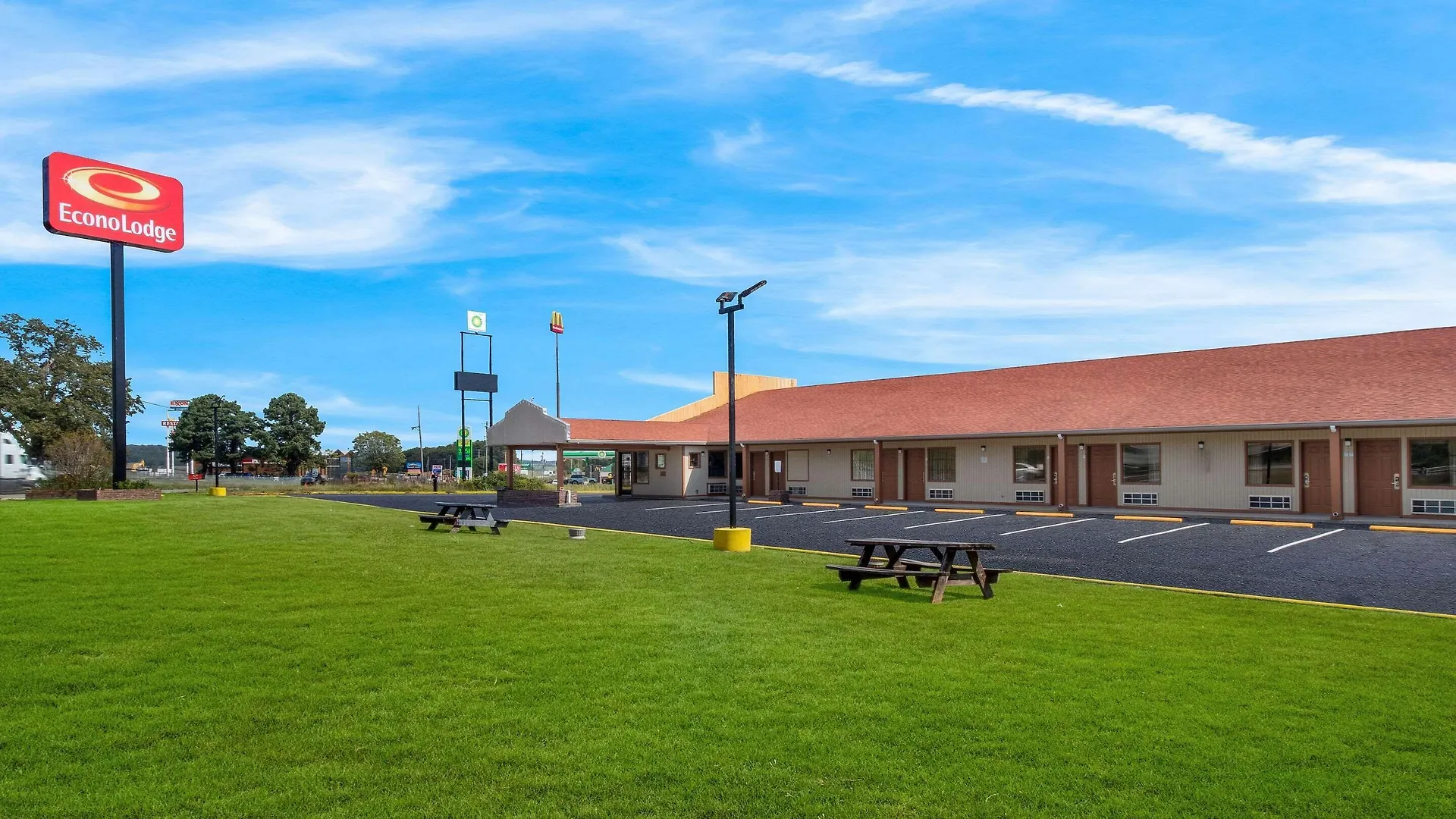
1. Econo Lodge
Show on map


 Check-infrom 15:00 until 23:59Check-outuntil 11:00
Just a few rooms left at the best rate!
fromUS$ 60
-
2. Econo Lodge Dyersburg I-155
Show on map


 Check-infrom 14:00 until 23:59Check-outuntil 11:00
Just a few rooms left at the best rate!
fromUS$ 62
-
3. Econo Lodge Dayton North
Show on map


 Check-infrom 15:00 until 23:59Check-outuntil 11:00
Hurry – almost gone at this price!
fromUS$ 83
Best Lodge Picks Near Knoxville & the Smokies
These two lodges sit on the I-75 corridor in eastern Tennessee, offering practical access to Knoxville, the Great Smoky Mountains, and a cluster of lakes and natural attractions - without the inflated pricing of Pigeon Forge or Gatlinburg's tourist core.
-
4. Econo Lodge Lenoir City - Knoxville Area
Show on map


 Check-infrom 14:00 until 23:59Check-outuntil 11:00
Hurry – almost gone at this price!
fromUS$ 94
-
5. Econo Lodge Rocky Top
Show on map


 Check-infrom 15:00 until 23:59Check-outuntil 11:00
Rooms filling fast – secure the best rate!
fromUS$ 62
Smart Travel & Timing Advice for Tennessee Lodge Hotels
Tennessee's peak travel season runs from late May through August, driven by summer road trips to the Great Smoky Mountains, Reelfoot Lake, and Nashville. Lodge rates near the Smokies corridor - including Lenoir City and Rocky Top - can fill more than a week in advance during July Fourth and Labor Day weekends, so booking at least 3 weeks ahead is advisable for those dates. Central and western Tennessee lodges near Cornersville and Dyersburg experience far lighter seasonal pressure and can often be booked with shorter lead times, sometimes days before arrival. Fall - particularly October - brings leaf-peeping traffic to eastern Tennessee, spiking demand around the Smokies, while winter months from December through February see the lowest occupancy rates and the best last-minute rates statewide. For most itineraries covering one or two regional attractions, a 2-night stay per lodge is the effective minimum; travelers covering both ends of the state should plan for at least one lodge stop in central Tennessee to avoid excessive daily mileage. Avoiding Pigeon Forge and Gatlinburg pricing by staying in Lenoir City or Rocky Top can reduce nightly accommodation costs while keeping Smoky Mountains access under one hour.


